Summary: 100 Fun team-building activities to inspire Trust and Build Employee Motivation. It improves communication skills, promotes harmony, and helps handle upsets and conflict. Team-building games bring everyone together without the added pressure of work. Here, we’ve listed top team-building activities broken down by icebreaker, problem-solving, indoor, outdoor, and virtual games to help you strengthen communication, collaboration, and trust across your team.
Team Building Activities
Fun team-building activities are essential because they break down communication barriers and build trust in a low-stakes environment.
When employees connect personally and share a laugh, they collaborate better, resolve conflicts faster, and feel more engaged, ultimately boosting productivity and reducing burnout.
What is the most effective type of team-building activity?
The most effective activity depends on your team’s specific needs. Problem-solving games are great for strategy, while outdoor challenges build trust. The key is choosing inclusive activities that encourage equal participation and align with your group’s physical abilities and personality.
How often should we host team-building events?
Consistency matters more than frequency. Aim for small, low-cost activities (like icebreakers) weekly or bi-weekly. Plan larger, structured events or retreats quarterly or semi-annually. This keeps morale high without overwhelming your team’s workload or budget.
How do you build a team with remote workers?
Remote team building requires intentional digital spaces.
Use virtual escape rooms, online trivia, or asynchronous challenges like photo contests. Schedule regular “coffee roulettes” to mimic the spontaneous watercooler conversations that build organic relationships in a physical office.
How do we choose an activity everyone will enjoy?
You can’t please everyone every time, but you can rotate activity types.
Send out a quick survey asking for preferences across categories like active, creative, or logic-based. Always ensure the chosen activity is accessible and doesn’t make anyone feel uncomfortable.
Can team building actually fix a toxic work culture?
No. Fun activities cannot replace foundational management skills, fair compensation, or psychological safety. However, once leadership actively addresses the root causes of toxicity, team building can help repair fractured relationships and establish a positive baseline for the group.
How much budget do we need for good team building?
You don’t need a massive budget. While off-site retreats cost money, many highly effective activities—like park clean-ups, office trivia, or back-to-back drawing—are completely free. The value comes from genuine interaction and collaboration, not the price tag.
How do we measure the success of a team-building event?
Track success through immediate post-event feedback surveys measuring enjoyment. Long-term, look for qualitative changes: are meetings more collaborative? Is cross-departmental communication smoother? You can also monitor employee retention rates and regular eNPS (Employee Net Promoter Score) check-ins.
Should team building be mandatory?
Strongly encouraged is better than strictly mandatory.
Forced fun can cause resentment, especially if it cuts into busy workdays. Schedule events during normal working hours and offer different roles (like keeping score) for those who prefer passive participation.
100 Team Building Activities
Icebreakers & Quick Office Games
While sometimes considered cheesy, quick icebreakers warm up the room and ensure everyone’s voice is heard early. This psychological safety makes team members much more likely to contribute complex ideas and feedback later in the work session.
1. Two Truths and a Lie
Purpose: Icebreaker and getting to know colleagues.
Team size: 4 to 12 people.
Activity length: 15 to 30 minutes.
Tools required: None.
How to play: Everyone sits in a circle. One person states three claims about themselves. Two claims must be factual, and one must be false. The rest of the group discusses the statements and votes on which one they think is the lie. The speaker then reveals the correct answer. The turn passes to the next person.
Why this exercise is great: It helps people learn unexpected facts about their coworkers in a low-pressure environment.
2. Back-to-Back Drawing
Purpose: Communication and active listening practice.
Team size: Pairs.
Activity length: 10 to 20 minutes.
Tools required: Paper, pens, printed line drawings or shapes.
How to play: Two people sit facing away from each other. One person holds a picture, and the other holds a blank piece of paper and a pen. The person with the picture describes the image using only geometric shapes and spatial directions. The person with the paper attempts to recreate the drawing based on the verbal instructions. After a set time limit, they compare the original picture with the drawing.
Why this exercise is great: It highlights how verbal instructions can be misinterpreted and emphasizes the need for clear communication.
3. The Common Factor
Purpose: Finding shared interests and building rapport.
Team size: 3 to 6 people per subgroup.
Activity length: 15 minutes.
Tools required: None.
How to play: Divide the larger group into smaller teams. Instruct each team to converse and identify a single characteristic, hobby, or experience that applies to every member of their specific subgroup. The trait cannot be related to work or broad human characteristics like wearing shoes. Once a group finds their shared factor, they present it to the rest of the room.
Why this exercise is great: It forces people to talk about their personal lives and interests, creating immediate bonds over shared experiences.
4. Office Debates
Purpose: Practicing public speaking and friendly disagreement.
Team size: 6 to 20 people.
Activity length: 20 to 45 minutes.
Tools required: A list of lighthearted debate prompts.
How to play: Select a trivial topic, such as whether a hot dog is a sandwich or if pineapple belongs on pizza. Divide the group into two teams, assigning one side to argue for the topic and the other to argue against it. Give the teams a few minutes to prepare their arguments. Have representatives from each side present their case, followed by a brief rebuttal period.
Why this exercise is great: It allows coworkers to engage in conflict resolution and debate mechanics without the stress of actual work-related disagreements.
5. Emoji Summary
Purpose: Quick check-in and creative expression.
Team size: Any size.
Activity length: 5 to 10 minutes.
Tools required: A messaging app or a whiteboard with markers.
How to play: Ask participants to summarize their weekend or their current mood using a string of three to five emojis. They post this sequence in the team chat or draw it on the board. Other team members try to decode the sequence before the original author explains the actual meaning.
Why this exercise is great: It provides a fast, visual way to gauge the energy of the room before starting a longer meeting.
6. Find-Your-Match
Purpose: Networking and breaking cliques.
Team size: 10 to 30 people.
Activity length: 15 minutes.
Tools required: Pre-printed cards with complementary pairs.
How to play: Tape one card to the back of each participant without letting them see what is written on it. Everyone walks around the room asking yes or no questions to figure out their own identity. Once a person figures out what is on their card, they must find the person holding the other half of their pair.
Why this exercise is great: It gets people out of their seats and forces them to interact with colleagues they might not normally speak to.
7. Circle of Appreciation
Purpose: Boosting morale and recognizing peer contributions.
Team size: 5 to 15 people.
Activity length: 10 to 15 minutes.
Tools required: None.
How to play: The group forms a circle. One person starts by turning to the colleague on their left and stating one specific thing they appreciate about them. This could be a recent project contribution or a positive personality trait. The person who received the compliment then turns to their left and does the same for the next person, continuing until the circle is complete.
Why this exercise is great: It ensures everyone receives positive feedback and helps build a supportive group dynamic.
8. Memory Wall
Purpose: Reflecting on shared history and accomplishments.
Team size: 5 to 20 people.
Activity length: 20 to 30 minutes.
Tools required: Sticky notes, pens, a whiteboard or blank wall.
How to play: Give everyone sticky notes and ask them to write down their favorite work-related memories, successful projects, or funny moments from the past year. Participants walk up to the board and place their notes, briefly explaining the memory to the group. Group similar memories together to form a visual map of the team’s history.
Why this exercise is great: It creates a physical representation of the team’s success and shared experiences.
9. Turn Back Time
Purpose: Sharing personal histories and values.
Team size: 4 to 10 people.
Activity length: 15 to 20 minutes.
Tools required: None.
How to play: Go around the room and ask each person to describe one moment in their life they would revisit if they had a time machine. They should explain the context of the memory and why it holds significance for them.
Why this exercise is great: It offers insight into what each team member values most in their personal life.
10. Show and Tell
Purpose: Building empathy and understanding backgrounds.
Team size: 5 to 12 people.
Activity length: 20 to 40 minutes.
Tools required: Personal objects brought by participants.
How to play: Ahead of the meeting, ask everyone to bring a physical object that has personal meaning to them. During the session, each person takes a turn showing their item and explaining its backstory. The group can ask a few follow-up questions after each presentation.
Why this exercise is great: It allows people to share aspects of their identity and hobbies that do not come up in daily work conversations.
Virtual & Hybrid Team Building
11. Virtual Escape Rooms
Purpose: Collaborative problem-solving and team bonding.
Team size: 4 to 8 people.
Activity length: 45 to 60 minutes.
Tools required: Video conferencing software and a digital escape room platform.
How to play: Group members log into a shared virtual environment. The team communicates over video chat to uncover clues, decode ciphers, and solve puzzles within a set time limit to unlock the digital room.
Why this exercise is great: It encourages teamwork and critical thinking under pressure in an entertaining setting.
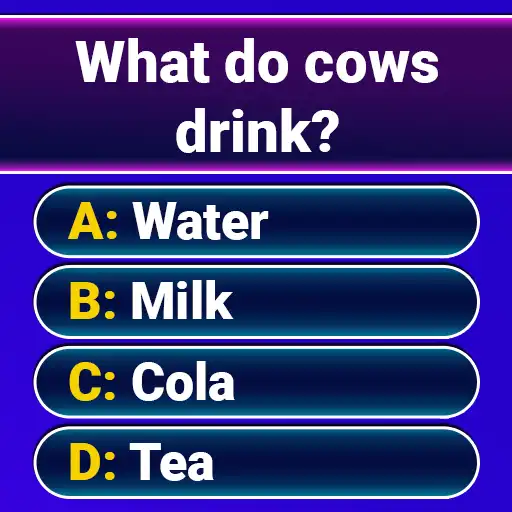
12. Online Trivia
Purpose: Friendly competition and knowledge sharing.
Team size: 5 to 50 people.
Activity length: 20 to 45 minutes.
Tools required: Video conferencing app and trivia software.
How to play: A designated host sets up a trivia game featuring questions about company history, pop culture, or random facts. Participants join the game via a pin code and answer questions on their devices. The platform tracks scores and displays a leaderboard.
Why this exercise is great: It breaks up the regular workday routine and lets coworkers show off their obscure knowledge.
13. Asynchronous Photo Contests
Purpose: Building connections without scheduling conflicts.
Team size: Any size.
Activity length: One week.
Tools required: A team communication channel.
How to play: A manager announces a theme for the week, such as “ugliest coffee mug” or “cutest pet.” Employees post a relevant photo to a designated chat channel whenever they have free time. At the end of the week, the team votes on their favorite submission using emoji reactions.
Why this exercise is great: It accommodates distributed teams across different time zones while encouraging casual conversations.
14. Caption This
Purpose: Creative expression and shared laughter.
Team size: Any size.
Activity length: 10 minutes.
Tools required: A messaging app or video call screen share.
How to play: The organizer posts a funny or strange image in the team chat or shows it during a video meeting. Participants submit humorous captions for the image. The group reviews the submissions and selects the funniest one.
Why this exercise is great: It provides a quick mental break and highlights the comedic skills of different team members.
15. Coffee Roulette
Purpose: One-on-one networking and socialization.
Team size: Pairs from a larger group.
Activity length: 15 to 30 minutes.
Tools required: Video calling software and a pairing application.
How to play: An automated tool randomly assigns two employees to meet for a short video call. The participants schedule a time during the week to drink coffee and chat about non-work topics.
Why this exercise is great: It replicates the casual conversations that happen in physical offices and helps integrate newer employees.
16. Digital Jigsaw Puzzles
Purpose: Relaxed collaboration and informal chatting.
Team size: 3 to 10 people.
Activity length: 15 to 30 minutes.
Tools required: A multiplayer online jigsaw puzzle website and a voice channel.
How to play: The host selects an image and generates a link for a multiplayer puzzle. Teammates click the link to join the board. Everyone works together in real-time to drag and drop pieces into place while talking over an audio call.
Why this exercise is great: It gives the group a shared visual focus, which makes casual conversation feel more natural.
17. Home Desk Cribs
Purpose: Getting to know remote work environments.
Team size: 5 to 15 people.
Activity length: 10 to 20 minutes.
Tools required: Video conferencing software.
How to play: During a video meeting, one or two selected team members use their webcams or phones to give a brief tour of their home workspace. They can show off their desk setup, favorite decorations, or the view from their window.
Why this exercise is great: It provides a glimpse into the daily lives of remote colleagues and sparks conversations about shared hobbies or decorating styles.
18. Virtual Pictionary
Purpose: Visual communication and lighthearted fun.
Team size: 4 to 12 people.
Activity length: 20 to 30 minutes.
Tools required: A digital whiteboard and a video call platform.
How to play: One person receives a secret word and uses the shared whiteboard to draw it using their mouse or trackpad. The rest of the team watches the drawing take shape and shouts out guesses. The first person to guess correctly earns a point and takes the next turn to draw.
Why this exercise is great: Drawing with a computer mouse is notoriously difficult, which leads to funny mistakes and plenty of shared laughs.
19. Online Bingo
Purpose: Adding engagement to regular meetings.
Team size: 5 to 30 people.
Activity length: Ongoing during a meeting.
Tools required: Custom digital bingo cards.
How to play: Before a team meeting, distribute bingo cards filled with common remote work events, such as “dog barking in the background” or “someone says ‘you’re on mute’.” Participants mark off the squares as these events happen during the call. The first person to complete a line wins.
Why this exercise is great: It keeps attendees focused during longer administrative calls and turns minor annoyances into a game.
20. Typing Speed Relay
Purpose: Fast-paced competition and skill-building.
Team size: 4 to 12 people.
Activity length: 10 to 15 minutes.
Tools required: A free online typing test website.
How to play: Divide the group into smaller teams. Each person takes a one-minute typing test and records their words-per-minute score. The teams add up the individual scores of their members to calculate a total group score. The team with the highest combined total wins the relay.
Why this exercise is great: It brings a sense of urgency and competition while focusing on a practical workplace skill.
Problem Solving & Strategy
21. The Perfect Square
Purpose: Communication and spatial reasoning.
Team size: 4 to 12 people.
Activity length: 15 to 30 minutes.
Tools required: A long piece of rope and blindfolds for everyone.
How to play: Everyone puts on a blindfold and stands in a circle holding a piece of the rope. The group works together using only verbal instructions to form the rope into a square on the ground. Once they think they are finished, everyone removes their blindfolds to check the shape.
Why this exercise is great: It forces participants to rely heavily on clear verbal directions and listen closely to their peers without visual cues.
22. Barter Puzzle
Purpose: Negotiation and strategic planning.
Team size: 10 to 20 people.
Activity length: 30 to 45 minutes.
Tools required: Several different jigsaw puzzles.
How to play: Divide people into small teams and give each group a jigsaw puzzle. Mix some pieces from each puzzle into the boxes of the other teams. The groups must realize they are missing pieces, identify which team has them, and negotiate trades to complete their own puzzle first.
Why this exercise is great: It introduces a competitive element while requiring cross-team interaction and bargaining to reach the goal.
23. The Napkin Pitch
Purpose: Creative problem-solving and concise pitching.
Team size: 3 to 8 people.
Activity length: 15 to 20 minutes.
Tools required: Paper napkins and pens.
How to play: Present the group with a hypothetical or real work-related problem. Give them a few minutes to sketch out a solution on a single napkin. Each person or small team presents their napkin to the rest of the room and explains their idea in under two minutes.
Why this exercise is great: It constrains the workspace, forcing people to simplify complex ideas into core components and communicate them quickly.
24. Secret Informant
Purpose: Detail-oriented communication and exact execution.
Team size: 4 to 8 people.
Activity length: 20 to 30 minutes.
Tools required: Sets of building blocks or Legos.
How to play: Build a small structure out of blocks and hide it from the main group. One person from each team views the hidden structure. They return to their team and give verbal instructions on how to replicate the model without touching the blocks themselves.
Why this exercise is great: It reveals how small miscommunications can lead to large errors in the final product.
25. Minefield
Purpose: Building trust and active listening.
Team size: Pairs or small groups.
Activity length: 15 to 30 minutes.
Tools required: Blindfolds and paper dots or soft obstacles.
How to play: Scatter the paper dots across an open floor space to represent mines. One person is blindfolded at the starting line. Their partner stands on the sidelines and provides verbal instructions to guide them safely across the room without stepping on any dots.
Why this exercise is great: The blindfolded person puts complete faith in their guide, which helps build trust among colleagues.
26. What Would They Do?
Purpose: Shifting perspectives and brainstorming.
Team size: 4 to 10 people.
Activity length: 20 to 30 minutes.
Tools required: A whiteboard or large paper pad.
How to play: Present a specific scenario or company challenge. Have the team choose a well-known historical figure, fictional character, or famous CEO. Ask the group to brainstorm solutions based entirely on how that specific person would handle the situation.
Why this exercise is great: It breaks people out of their standard thought patterns and encourages unconventional ideas.
27. Hackathon
Purpose: Intensive focus and rapid prototyping.
Team size: Entire departments or company.
Activity length: One full workday.
Tools required: Computers, meeting spaces, and food.
How to play: Suspend normal daily work operations. Form cross-departmental teams and assign them a specific, pressing organizational challenge. The teams spend the entire day developing a workable solution or prototype, which they present to management at the end of the event.
Why this exercise is great: It allows employees to dedicate uninterrupted time to a single major issue without the distraction of emails and daily tasks.
28. Human Spider Web
Purpose: Physical problem-solving and group coordination.
Team size: 6 to 12 people.
Activity length: 10 to 15 minutes.
Tools required: None.
How to play: Everyone stands in a tight circle, reaches across, and grabs the hands of two different people. The group must figure out how to step over, under, and through the tangled arms to form a single, unbroken circle without ever letting go of each other’s hands.
Why this exercise is great: It requires trial and error, physical movement, and constant communication to untangle the knot.
29. Build the Tallest Tower
Purpose: Resource management and structural planning.
Team size: 3 to 6 people per group.
Activity length: 20 to 30 minutes.
Tools required: Dry spaghetti, marshmallows, string, and tape.
How to play: Give each team an identical set of raw materials. Set a timer and challenge the groups to build the tallest freestanding structure possible. The tower must remain standing on its own for a set amount of time after the timer rings.
Why this exercise is great: It combines engineering basics with strict time and resource constraints, forcing teams to plan before acting.
30. Riddles and Brain Teasers
Purpose: Collective critical thinking.
Team size: 3 to 8 people.
Activity length: 10 to 20 minutes.
Tools required: A printed list of complex logic puzzles.
How to play: Provide the group with a series of difficult riddles or logic problems. Give them a time limit to read the questions, discuss possible answers, and agree on a final group submission. Check the answers together at the end.
Why this exercise is great: It highlights different thinking styles within the group, as some people will spot the logical tricks faster than others.
Active & Outdoor Adventures
31. GPS Treasure Hunt
- Purpose: Strategy and outdoor navigation.
- Team size: 4 to 10 people.
- Activity length: 1 to 3 hours.
- Tools required: Tablets or smartphones with a custom GPS application.
- How to play: Equip groups with digital devices loaded with a specific mapping app. Send them into a city or large park area to track down hidden digital treasures. Participants follow coordinates, solve location-based riddles, and scan codes to collect points before the timer runs out.
- Why this exercise is great: It merges technology with physical movement, forcing participants to make quick decisions and orient themselves in unfamiliar physical spaces while working against a clock.
32. Corporate Cricket Tournament
- Purpose: Morale building and cross-departmental mixing.
- Team size: 11 players per side (plus substitutes).
- Activity length: Half-day to a full day.
- Tools required: Bats, balls, stumps, safety gear, and a marked field.
- How to play: Organize a bracket-style sports day. Mix employees from different departments to form the rosters, preventing standard office cliques. Teams play shortened matches, advancing through the tournament until a champion emerges.
- Why this exercise is great: It reduces workplace stress through physical exertion and helps coworkers bond over a shared competitive goal outside the standard office environment.
33. Ziplining and Rope Courses
- Purpose: Overcoming fear and encouraging peers.
- Team size: 5 to 20 people.
- Activity length: 2 to 4 hours.
- Tools required: Harnesses, helmets, and a professional adventure resort setup.
- How to play: Take the group to a high-ropes facility. Participants navigate suspended bridges, swinging logs, and ziplines high above the ground. Colleagues cheer each other on as they tackle physically intimidating obstacles.
- Why this exercise is great: Pushing people past their physical comfort zones builds personal confidence and creates a supportive atmosphere as coworkers actively motivate one another.
34. Soap Box Derby
- Purpose: Engineering, design, and teamwork.
- Team size: 4 to 8 people per crew.
- Activity length: 3 to 5 hours.
- Tools required: Toolkits, building materials, wheels, steering mechanisms, and paint.
- How to play: Provide each group with raw materials and a blueprint constraint. Teams must sketch, build, and decorate their own pedal-powered or gravity-driven carts. Once construction finishes, groups race their mechanical creations down a track.
- Why this exercise is great: It combines creative aesthetic design with hands-on mechanical construction, requiring diverse skill sets from different team members to succeed.
35. Laser Tag
- Purpose: High-pressure strategy and communication.
- Team size: 6 to 20 people.
- Activity length: 1 to 2 hours.
- Tools required: Laser blasters, sensor vests, and a designated arena.
- How to play: Divide the group into opposing squads. Players navigate a darkened, obstacle-filled arena to tag opponents and score points while avoiding getting hit. Teams must coordinate flanking maneuvers and defend their bases.
- Why this exercise is great: The fast-paced environment requires immediate tactical communication and forces leaders to emerge organically during the match.
36. School Sports Day
- Purpose: Nostalgia and lighthearted competition.
- Team size: 10 to 50 people.
- Activity length: 2 to 4 hours.
- Tools required: Ropes, balls, cones, sacks, and whistles.
- How to play: Set up stations for classic playground games like tug of war, dodgeball, egg-and-spoon races, and swing ball. Divide the company into distinct teams and rotate them through the activities, keeping a running score throughout the day.
- Why this exercise is great: It strips away professional hierarchies and lets adults engage in pure, unstructured fun that recalls their childhood.
37. Outdoor Camping
- Purpose: Informal bonding and trust-building.
- Team size: 8 to 20 people.
- Activity length: Overnight (24 hours).
- Tools required: Tents, sleeping bags, fire-building supplies, and food.
- How to play: Travel to a nature reserve or campsite. The group works together to pitch tents, gather firewood, and cook meals over an open flame. The evening is spent sharing stories and relaxing without digital distractions.
- Why this exercise is great: Removing the group from modern conveniences fosters deep, authentic conversations around the campfire and requires shared responsibility for basic needs.
38. Nature Walk and Reflection
- Purpose: Observation and mindfulness.
- Team size: Any size.
- Activity length: 1 to 2 hours.
- Tools required: Comfortable walking shoes and notebooks.
- How to play: Lead the group on a quiet walk through a park or forest trail. Ask participants to silently observe the sights, smells, and sounds around them. Afterward, gather in a circle and compare the different things people noticed along the same path.
- Why this exercise is great: It highlights how individuals perceive the same environment differently, encouraging an appreciation for diverse perspectives within the team.
39. Hiking and Trekking
- Purpose: Endurance and mutual encouragement.
- Team size: 5 to 15 people.
- Activity length: 3 to 6 hours.
- Tools required: Proper footwear, water, trail maps, and first-aid kits.
- How to play: Select a challenging but accessible trail. The group navigates the incline and rough terrain together, taking breaks as needed. Faster hikers rotate to the back to support those who are struggling with the pace.
- Why this exercise is great: Reaching the summit provides a shared sense of accomplishment and tests the group’s ability to support its weakest members through physical fatigue.
40. Obstacle Courses
- Purpose: Physical problem-solving and collaboration.
- Team size: 4 to 10 people.
- Activity length: 1 to 3 hours.
- Tools required: Mud pits, climbing walls, cargo nets, and heavy objects.
- How to play: Register the team for a local mud run or set up a custom course. Participants must figure out how to lift, push, and pull every team member over high walls and under low wires to finish the race together.
- Why this exercise is great: Many barriers on the course are impossible to cross alone, making absolute cooperation a strict requirement for crossing the finish line.
Creative & Artistic Workshops
41. Paper Plane Contest
- Purpose: Engineering basics and lighthearted competition.
- Team size: 2 to 6 people per group.
- Activity length: 20 to 30 minutes.
- Tools required: Standard printer paper, paper clips, tape, and a long hallway.
- How to play: Give each group a set amount of time to sketch and fold a paper airplane. Participants test their designs in a designated corridor, measuring which plane travels the furthest distance or stays in the air the longest.
- Why this exercise is great: It requires rapid iteration and testing while bringing out a playful, childlike energy among coworkers.
42. Team Painting Workshop
- Purpose: Visual creativity and stress reduction.
- Team size: 5 to 20 people.
- Activity length: 1 to 2 hours.
- Tools required: Canvases, acrylic paints, brushes, and protective aprons.
- How to play: Set up easels in a well-ventilated room. An instructor guides the group through a basic painting technique, or teams are tasked with creating individual panels that form a larger mural when placed together.
- Why this exercise is great: The focus shifts from analytical work tasks to abstract visual expression, giving people a chance to relax and chat informally.
43. PowerPoint Karaoke
- Purpose: Quick thinking and presentation skills.
- Team size: 4 to 15 people.
- Activity length: 30 to 45 minutes.
- Tools required: A projector, a screen, and a slide deck of random images.
- How to play: A participant steps up to the screen and is presented with a slide deck they have never seen. They must give a coherent, confident presentation based entirely on the random images appearing behind them, improvising the narrative on the spot.
- Why this exercise is great: It forces individuals to think on their feet and embrace absurdity in front of an audience.
44. Junk Funk Workshop
- Purpose: Auditory coordination and group listening.
- Team size: 10 to 30 people.
- Activity length: 45 to 60 minutes.
- Tools required: Plastic buckets, metal tins, wooden spoons, and dry rice.
- How to play: Distribute the recycled materials among the group. A facilitator assigns different rhythmic beats to different sections of the room. The groups practice their individual beats before combining them to form a single, cohesive musical track.
- Why this exercise is great: Participants must pay close attention to the tempo of the people around them to maintain the collective rhythm.
45. Living Wall Workshop
- Purpose: Office improvement and hands-on construction.
- Team size: 5 to 15 people.
- Activity length: 1 to 2 hours.
- Tools required: Wall planters, potting soil, indoor plants, and gardening gloves.
- How to play: A horticulture expert provides instructions on how to handle the plants and arrange the soil. The team works together to mount the planters and arrange the greenery into a cohesive vertical garden inside the office.
- Why this exercise is great: The group creates a permanent, physical improvement to their daily workspace that requires ongoing collective care.
46. Design Battle
- Purpose: Brand alignment and visual communication.
- Team size: 3 to 5 people per group.
- Activity length: 45 to 60 minutes.
- Tools required: Poster board, markers, magazines, and glue.
- How to play: Assign each group a fictional, obscure product. Task them with creating a print advertisement for the item that incorporates the actual core values of your company. The teams present their posters and explain their design choices to the rest of the room.
- Why this exercise is great: It tests how well employees understand the organization’s messaging while encouraging unconventional marketing ideas.
47. Pottery Class
- Purpose: Tactile engagement and learning a new skill.
- Team size: 6 to 12 people.
- Activity length: 1 to 2 hours.
- Tools required: Wet clay, pottery wheels or sculpting tools, and aprons.
- How to play: Travel to a local ceramics studio. An instructor teaches the basics of molding, centering, and shaping clay. Participants get their hands dirty trying to form a bowl or cup, often failing and trying again.
- Why this exercise is great: The physical messiness of the task lowers professional barriers and prompts casual conversation over shared mistakes.
48. Improv Comedy Workshop
- Purpose: Active listening and breaking down social filters.
- Team size: 8 to 20 people.
- Activity length: 1 to 2 hours.
- Tools required: An open room with no seating.
- How to play: A trained instructor leads the group through fundamental theater games built on the concept of “Yes, and…” Participants act out short, unscripted scenes based on random prompts from their colleagues.
- Why this exercise is great: It trains individuals to accept ideas from others immediately and build upon them without harsh judgment.
49. Short Film Festival
- Purpose: Narrative construction and project management.
- Team size: 4 to 6 people per group.
- Activity length: 2 to 4 hours.
- Tools required: Smartphones, basic editing software, and props.
- How to play: Give the teams a genre, a mandatory prop, and a strict time limit. They must write a script, assign acting roles, shoot the footage around the office or neighborhood, and edit the clips into a three-minute movie. Gather everyone to screen the final cuts.
- Why this exercise is great: It mimics a fast-paced product launch, requiring delegation, creative compromise, and technical execution under a hard deadline.
50. DIY Terrariums
- Purpose: Fine motor skills and relaxed socialization.
- Team size: Any size.
- Activity length: 30 to 45 minutes.
- Tools required: Glass jars, pebbles, activated charcoal, soil, and small succulents.
- How to play: Set up a station with the raw materials. Participants select their glass containers and layer the stones, dirt, and plants to build a miniature enclosed environment. They can take their finished creations back to their desks.
- Why this exercise is great: The process is quiet and repetitive, making it an excellent backdrop for introverted team members to talk comfortably.
Food & Drink Experiences
51. Cooking Challenge
- Purpose: Collaboration, time management, and role delegation.
- Team size: 4 to 8 people per kitchen station.
- Activity length: 2 to 3 hours.
- Tools required: Fully equipped kitchen facility, raw ingredients, and printed recipes.
- How to play: Teams receive a set of ingredients and a recipe. They divide tasks such as chopping, sautéing, and plating. A timer limits their progress, prompting them to communicate clearly to finish the meal before the clock runs out. Once the cooking concludes, everyone sits down to eat the meals they prepared.
- Why this exercise is great: Working in a kitchen creates a high-energy environment where people must speak directly and trust their coworkers to handle specific responsibilities, translating well to project management skills.
52. Team Potluck
- Purpose: Cultural sharing and casual team bonding.
- Team size: 10 to 50 people.
- Activity length: 1 to 2 hours.
- Tools required: A breakroom or large table, serving utensils, and plates.
- How to play: The office agrees on a theme or asks everyone to bring a dish representing their heritage or family history. Employees prepare the food at home and bring it to work. The group gathers for an extended lunch break to share the meal and talk about the origins of their dishes.
- Why this exercise is great: Food serves as an excellent icebreaker. Sharing homemade meals allows coworkers to display their personal backgrounds and sparks conversations that have nothing to do with work tasks.
53. Lunch and Learn
- Purpose: Skill sharing and peer education.
- Team size: Any size.
- Activity length: 45 to 60 minutes.
- Tools required: Catered lunch or brown bags, and a presentation setup.
- How to play: One team member volunteers to present on a topic they are passionate about while the rest of the group eats lunch. The presentation does not need to relate to the company; it could cover topics like basic photography, knitting, or personal finance. The session ends with a brief Q&A.
- Why this exercise is great: It gives employees a platform to showcase their hidden talents and helps colleagues learn from one another in an informal, relaxed setting.
54. Mixology Workshop
- Purpose: Following instructions and unwinding.
- Team size: 5 to 20 people.
- Activity length: 1 to 2 hours.
- Tools required: Shakers, strainers, glasses, ice, and beverage ingredients.
- How to play: Hire a professional bartender to visit the office or host the group at a local venue. The instructor demonstrates the techniques for creating classic cocktails and alcohol-free mocktails. Participants try their hand at measuring, shaking, and pouring the drinks, followed by a tasting session.
- Why this exercise is great: The hands-on nature of mixing drinks requires focus, while the final tasting provides a built-in reward and a chance to socialize.
55. Office Bake-Off
- Purpose: Friendly competition and sharing treats.
- Team size: Entire office.
- Activity length: 1 hour.
- Tools required: Display tables, scorecards, and plates.
- How to play: Interested employees bake a dessert at home and bring it into the office on a designated day. Company leaders or a rotating panel of coworkers blind-taste the entries and score them on presentation, creativity, and taste. The winner receives a small prize or trophy.
- Why this exercise is great: It brings out a playful competitive streak among the staff and leaves the entire office with sweets to enjoy throughout the afternoon.
56. Coffee Tasting
- Purpose: Sensory exploration and morning socialization.
- Team size: 5 to 25 people.
- Activity length: 30 to 60 minutes.
- Tools required: Various coffee beans, brewing equipment, and small tasting cups.
- How to play: Invite a local coffee roaster to guide the team through a cupping session. The expert explains the flavor profiles, origins, and roasting techniques of different beans. The group samples the varieties side-by-side, discussing the tasting notes they pick up.
- Why this exercise is great: It turns an everyday office habit into an educational experience, encouraging people to slow down and appreciate details.
57. Off-Site Team Dinner
- Purpose: Breaking down silos and deep networking.
- Team size: 10 to 40 people.
- Activity length: 2 to 3 hours.
- Tools required: A restaurant reservation.
- How to play: Book a private room at a local restaurant. Create a seating chart that intentionally mixes employees from different departments or seniority levels who rarely interact. The group shares a structured meal, prompting natural conversation among new acquaintances.
- Why this exercise is great: Changing the physical environment removes the standard office hierarchy, and assigned seating guarantees cross-departmental mingling.
58. Food Truck Friday
- Purpose: Casual socializing and rewarding hard work.
- Team size: Entire company.
- Activity length: 1 to 2 hours.
- Tools required: Parking lot space and a local food vendor.
- How to play: Arrange for a popular food vendor to park outside the office building during the lunch hour. Cover the cost of the meals for all employees. Everyone lines up, grabs their food, and eats together in an outdoor setting.
- Why this exercise is great: It requires zero preparation from the staff and provides an immediate, tangible perk that brightens the end of the work week.
59. Chili Cook-Off
- Purpose: Team interaction and showcasing cooking skills.
- Team size: Entire office.
- Activity length: 1 to 2 hours.
- Tools required: Slow cookers, tasting bowls, spoons, and voting slips.
- How to play: Participants prepare their signature chili recipes and bring them to work in slow cookers. Set up a tasting station where the rest of the office can sample a small portion of each entry. Everyone casts a vote for their favorite, and the winner claims the championship title.
- Why this exercise is great: It generates high participation rates since everyone loves to eat, and it creates plenty of conversation as people discuss the secret ingredients in each batch.
60. Chocolate Making Class
- Purpose: Learning a niche skill and shared indulgence.
- Team size: 5 to 15 people.
- Activity length: 1 to 2 hours.
- Tools required: Melting chocolate, molds, thermometers, and fillings.
- How to play: A chocolatier guides the group through the precise process of tempering chocolate to achieve the correct snap and shine. Teams work together to monitor the temperatures, pour the molds, and add ingredients like nuts or sea salt before the chocolate sets.
- Why this exercise is great: The required precision demands teamwork and focus, but the task feels completely separate from corporate responsibilities.
CSR & Community Service
61. Charity Bike Build
- Purpose: Philanthropy and mechanical collaboration.
- Team size: 4 to 6 people per bike.
- Activity length: 2 to 3 hours.
- Tools required: Unassembled bicycles, wrenches, screwdrivers, tire pumps, and safety gear.
- How to play: Divide the group into small teams. Provide each team with a boxed, unassembled bicycle and a set of instructions. The teams must work together to build the bike from scratch, ensuring all parts are secure and the brakes function properly. A mechanic inspects each finished bicycle for safety before they are donated to a local youth organization.
- Why this exercise is great: It requires clear communication and delegation to assemble a complex mechanical object, rewarding the team with a tangible, donated product.
62. Tree Plantation Drive
- Purpose: Environmental impact and outdoor physical activity.
- Team size: Any size.
- Activity length: 2 to 4 hours.
- Tools required: Saplings, shovels, gardening gloves, and watering cans.
- How to play: Partner with a local environmental organization or parks department to identify an area needing reforestation. The team travels to the site, digs the appropriate holes, plants the saplings, and waters them. Participants work in pairs, with one person digging and the other positioning the plant.
- Why this exercise is great: The physical labor gets people out from behind their desks, and the planted trees serve as a lasting physical representation of the team’s cooperative effort.
63. Putt for a Purpose
- Purpose: Creative engineering and food donation.
- Team size: 4 to 8 people per hole.
- Activity length: 2 to 3 hours.
- Tools required: Canned goods, boxed food items, putters, golf balls, and tape.
- How to play: Teams receive a large supply of non-perishable food items. They use the cans and boxes to design and construct a functional mini-golf hole. Once all the holes are built, the entire group plays a full round on the newly created course. After the tournament, all the food items used for construction are packed up and delivered to a local food bank.
- Why this exercise is great: It combines a playful, competitive sports element with a large-scale charitable donation.
64. Sleep Pods for the Homeless
- Purpose: Empathy building and structural assembly.
- Team size: 5 to 10 people.
- Activity length: 3 to 5 hours.
- Tools required: Pre-cut materials, insulation, staple guns, tape, and protective gear.
- How to play: Collaborate with a charity that designs emergency weather shelters. Teams are given the raw materials and instructions needed to build a single insulated sleep pod. They assemble the frame, attach the weatherproofing, and ensure the structure is secure for outdoor use.
- Why this exercise is great: Building a functional shelter for someone in need demands careful focus and precise execution from every participant.
65. Bee Hotel Workshop
- Purpose: Ecological support and woodworking.
- Team size: 2 to 4 people.
- Activity length: 1 to 2 hours.
- Tools required: Wooden frames, hollow bamboo reeds, pine cones, glue, and hand saws.
- How to play: A guide explains the role of solitary bees in the local ecosystem. Teams construct small wooden structures and pack them tightly with bamboo tubes, drilled wood, and natural debris. These spaces provide safe nesting grounds for pollinators. Participants install them around the office grounds or take them home.
- Why this exercise is great: It provides education on local ecology while allowing teams to engage in light, manageable carpentry.
66. Community Volunteer Day
- Purpose: Civic engagement and shared physical tasks.
- Team size: Entire company or department.
- Activity length: Half-day to a full day.
- Tools required: Varies based on the location.
- How to play: The company coordinates a block of time for the staff to leave the office and work at a local charity, such as an animal shelter or food distribution center. Employees spend the day sorting donations, cleaning facilities, or walking rescue dogs.
- Why this exercise is great: Removing employees from their standard corporate environment to perform manual tasks levels the hierarchy and prompts natural conversations.
67. Care Package Assembly
- Purpose: Logistical coordination and support for remote populations.
- Team size: 10 to 50 people.
- Activity length: 1 to 2 hours.
- Tools required: Cardboard boxes, packing tape, and bulk items.
- How to play: Set up a long table with the bulk supplies. The team organizes an assembly line to efficiently fill, seal, and label boxes destined for deployed military personnel, hospital patients, or disaster victims. Everyone rotates stations to experience different parts of the packing process.
- Why this exercise is great: It requires fast-paced logistical coordination to maximize output, mimicking a manufacturing process in a low-stress setting.
68. Beach or Park Clean-Up
- Purpose: Community maintenance and outdoor movement.
- Team size: Any size.
- Activity length: 2 to 3 hours.
- Tools required: Trash grabbers, heavy-duty garbage bags, and gloves.
- How to play: The team travels to a local public space that requires maintenance. Participants spread out across the area to collect litter and separate recyclable materials. The group meets at the end to weigh the total amount of trash collected.
- Why this exercise is great: The visual difference between the space before and after the cleanup offers an immediate sense of collective accomplishment.
69. Mentorship Programs
- Purpose: Skills transfer and long-term community connection.
- Team size: 1-on-1 pairings within a larger program.
- Activity length: Ongoing.
- Tools required: Computers, presentation materials, or industry-specific software.
- How to play: The company partners with a local school or youth organization. Employees volunteer to mentor students, teaching them specific professional skills like coding, graphic design, or resume writing. The pairs meet regularly over video calls or in person.
- Why this exercise is great: It leverages the specific professional expertise of the employees rather than manual labor, building long-term relationships with local youth.
70. Charity Run/Walk
- Purpose: Physical health and fundraising.
- Team size: Any size.
- Activity length: Weeks of preparation; 1 to 3 hours for the event.
- Tools required: Running shoes, team t-shirts, and a registered race event.
- How to play: The company registers a team for a local 5K or 10K race dedicated to a specific charity. Employees train together in the weeks leading up to the event and collect pledges or donations. On race day, the team gathers to run or walk the course together.
- Why this exercise is great: The training schedule provides weeks of shared goals and health-focused interactions leading up to the main event.
Wellness & Mental Health
71. Healthy Together Initiative
- Purpose: Physical wellness and collective motivation.
- Team size: Any size.
- Activity length: One month.
- Tools required: Pedometer apps or fitness trackers.
- How to play: The group agrees on a specific target for steps or active minutes to hit by the end of the month. Everyone tracks their own numbers daily using their phones. A leader tallies the scores weekly. If the group hits the combined target, everyone receives a pre-determined reward like a half-day off or a gift card.
- Why this exercise is great: It turns personal fitness into a collaborative effort instead of an isolating chore.
72. Office Yoga Class
- Purpose: Stress reduction and physical mobility.
- Team size: 5 to 20 people.
- Activity length: 45 to 60 minutes.
- Tools required: Yoga mats and open floor space.
- How to play: Hire a certified yoga instructor to visit the workspace. Participants lay out their mats in a cleared room. The instructor guides the group through basic stretches and breathing exercises specifically meant to relieve tension in the neck, shoulders, and lower back caused by sitting at desks.
- Why this exercise is great: The practice directly addresses physical discomfort from office work while forcing a hard pause on emails.
73. Meditation Workshop
- Purpose: Anxiety management and mental focus.
- Team size: 5 to 30 people.
- Activity length: 30 to 45 minutes.
- Tools required: Quiet room and comfortable seating.
- How to play: A mindfulness expert leads the session. Participants close their eyes and follow verbal cues to focus on their breath and ground themselves in the present moment. The guide teaches techniques for recognizing distracting thoughts and letting them pass without judgment.
- Why this exercise is great: It equips staff with practical mental tools they can use independently when facing tight deadlines.
74. Zumba Session
- Purpose: Cardiovascular exercise and mood elevation.
- Team size: 10 to 30 people.
- Activity length: 45 to 60 minutes.
- Tools required: Upbeat music, speakers, and a large room.
- How to play: An instructor plays loud music and leads the group through choreographed dance routines. Participants mimic the moves, focusing on keeping their heart rates up rather than getting the steps perfectly right.
- Why this exercise is great: The fast pace and loud music create a high-energy environment where people look silly together and laugh.
75. Digital Detox Hour
- Purpose: Reducing screen fatigue and encouraging rest.
- Team size: Entire company.
- Activity length: 1 hour.
- Tools required: None.
- How to play: Management designates a specific hour during the workday where all screens must be turned off. Employees close their laptops and put their phones in a drawer. People spend the hour reading a physical book, sketching, or chatting face-to-face in the breakroom.
- Why this exercise is great: It gives the brain a mandatory break from the constant stimulation of notifications and digital demands.
76. Gratitude Journaling
- Purpose: Perspective shifting and emotional reflection.
- Team size: Any size.
- Activity length: 15 minutes.
- Tools required: Notebooks and pens.
- How to play: Start a meeting by giving everyone a few minutes of total silence to write down three things they are thankful for. These can relate to their personal lives or work. Ask for volunteers to read one of their items aloud to the rest of the room.
- Why this exercise is great: Writing down positive details forces the mind to acknowledge good things that get buried under daily frustrations.
77. Book Club
- Purpose: Intellectual stimulation and long-form discussion.
- Team size: 4 to 12 people.
- Activity length: 1 hour per month.
- Tools required: Physical or digital copies of a selected book.
- How to play: The group selects a non-fiction book focused on health, psychology, or personal development. Participants read the material on their own time over the course of a month. Everyone gathers in a conference room with coffee to debate the author’s ideas and share personal takeaways.
- Why this exercise is great: It provides a structured reason for coworkers to talk about complex human issues rather than project logistics.
78. Ergonomics Workshop
- Purpose: Injury prevention and physical comfort.
- Team size: 10 to 50 people.
- Activity length: 1 to 2 hours.
- Tools required: Example desk setups and adjustable chairs.
- How to play: Bring in an occupational health specialist. The expert demonstrates how to properly align a monitor with eye level, adjust seat height to support the lower back, and position keyboards to prevent wrist strain. The specialist then walks around the office assessing and adjusting individual workstations.
- Why this exercise is great: It provides immediate, physical relief for minor aches and demonstrates that the company pays attention to physical health.
79. Laughter Yoga
- Purpose: Tension release and breaking down social barriers.
- Team size: 8 to 20 people.
- Activity length: 30 to 45 minutes.
- Tools required: None.
- How to play: A facilitator directs the group through a series of exercises that involve forced, voluntary laughter combined with deep yogic breathing. Participants maintain eye contact and perform playful physical actions. The intentional laughter quickly turns into genuine, contagious laughter across the room.
- Why this exercise is great: It creates an intensely vulnerable space where adults drop their professional guards and experience raw emotional release.
80. Walking Meetings
- Purpose: Physical activity and informal communication.
- Team size: 2 to 4 people.
- Activity length: 20 to 40 minutes.
- Tools required: Walking shoes and a predetermined route.
- How to play: Instead of booking a conference room for a one-on-one sync, the participants head outside. They walk a set path around the office park or neighborhood while discussing their agenda items.
- Why this exercise is great: Walking side-by-side removes the confrontational dynamic of sitting across a desk and adds physical movement to a sedentary day.
Trivia, Quizzes & Game Shows
81. Company History Trivia
- Purpose: To celebrate organizational culture and build camaraderie through shared knowledge.
- Team size: Any number of participants; can be played in small teams or as individuals.
- Activity length: 20 to 30 minutes.
- Tools required: A slide deck or prepared question list, and a simple buzzer system or chat platform.
- How to play: Create a quiz filled with obscure company milestones, famous office anecdotes, and lighthearted facts about team members. Read the questions aloud, and participants or teams race to provide the correct answer. Tally points, and the group with the highest score wins a modest prize.
- Why this exercise is great: This activity acts as a “beacon of” connection by validating the shared history of the group, which helps newer team members feel integrated into the team’s ongoing narrative.
82. Game Show Night
- Purpose: To boost energy and mimic the excitement of popular television entertainment.
- Team size: 10 to 50 people.
- Activity length: 45 to 60 minutes.
- Tools required: A microphone, game show-style visual graphics, and a dedicated host.
- How to play: Choose a well-known game show format like Who Wants to Be a Millionaire. The host guides teams through rounds of increasing difficulty. Participants must collaborate to finalize their answers before the clock runs out.
- Why this exercise is great: It creates a “symphony of” excitement in the room, effectively shifting the team’s focus from daily tasks to a high-engagement, competitive environment that encourages vocal participation.
83. Whose Fact Is It Anyway?
- Purpose: To reveal hidden personality traits and spark deeper team connections.
- Team size: 5 to 20 people.
- Activity length: 20 minutes.
- Tools required: Index cards and a collection box.
- How to play: Before the event, ask employees to write an anonymous, surprising fact about themselves on an index card. The moderator pulls a card and reads the fact aloud. The group then discusses and votes on which colleague wrote that specific secret.
- Why this exercise is great: It is “crucial” for leveling the social playing field by revealing human, relatable stories that rarely emerge during standard professional interactions.
84. Name That Tune
- Purpose: To test collective musical knowledge and provide an upbeat, relaxing atmosphere.
- Team size: 4 to 20 people.
- Activity length: 30 minutes.
- Tools required: Audio player, speakers, and a curated music playlist.
- How to play: Play a short, five-second clip of a well-known song. Teams must compete to be the first to buzz in and correctly name both the artist and the song title. Keep a running tally to determine the musical winners.
- Why this exercise is great: Music is a universal language; this game lowers professional guards by utilizing nostalgia and pop culture, which effectively fosters a light, “seamless” environment for engagement.
85. Pop Culture Jeopardy
- Purpose: To challenge diverse knowledge bases through a structured game format.
- Team size: 3 to 15 people.
- Activity length: 45 minutes.
- Tools required: Custom digital board or a physical whiteboard.
- How to play: Create a board featuring categories that reflect current trends—such as “2026 Tech Trends” or “90s Movies.” Assign different point values to questions based on difficulty. Teams pick a category and value, and the first to answer correctly earns those points.
- Why this exercise is great: It allows team members with different strengths to contribute, making it “vital” that all players participate to ensure a winning team strategy.
86. Office Bingo
- Purpose: To find humor in the realities of the modern workplace.
- Team size: Any size.
- Activity length: Ongoing during a meeting.
- Tools required: Custom bingo cards and pens.
- How to play: Create custom bingo cards where each square represents a common office occurrence, such as someone accidentally hitting “Reply All” or a meeting running late. As these events occur throughout the work week, employees mark off their squares. The first to reach a full row wins.
- Why this exercise is great: It turns inevitable, minor work frustrations into shared, comedic moments that release tension and foster a collective team bond.
87. Guess the Baby Picture
- Purpose: To personalize the team and build emotional rapport.
- Team size: 5 to 30 people.
- Activity length: 15 minutes.
- Tools required: Childhood photos and a bulletin board or digital slide.
- How to play: Have team members submit an anonymous baby photo of themselves. Post these photos in a public place or on a digital screen. Employees circulate, attempting to match each child to their current colleague.
- Why this exercise is great: This simple task requires everyone to observe their colleagues closely and results in a “myriad of” funny stories as people share the backstories behind their toddler photos.
88. Emoji Decoder
- Purpose: To enhance lateral thinking and rapid problem-solving.
- Team size: 2 to 10 people.
- Activity length: 10 to 15 minutes.
- Tools required: A screen or printed list of emoji strings.
- How to play: Create a list of famous phrases or movie titles represented only by sequences of emojis. Teams compete to decipher what each string represents in the shortest amount of time.
- Why this exercise is great: It encourages teams to look for patterns—a core skill in “storytelling” and communication—making this an excellent warm-up for brainstorming sessions.
89. Tech-Free Pub Quiz
- Purpose: To encourage face-to-face interaction and digital disconnection.
- Team size: 4 to 20 people.
- Activity length: 1 to 2 hours.
- Tools required: Pens, paper, and venue-appropriate drinks.
- How to play: Reserve a table at a local venue. The host reads a variety of general knowledge questions. Teams work together, writing their answers on paper without the use of phones or internet research tools.
- Why this exercise is great: By enforcing a strict “tech-free” environment, this activity is an excellent “catalyst for change” regarding how teams bond, pushing them to rely purely on each other for answers.
90. The Price is Right
- Purpose: To test team knowledge of industry resources and supplies.
- Team size: 4 to 12 people.
- Activity length: 20 minutes.
- Tools required: Office items and cost list.
- How to play: Present the team with various pieces of office equipment or niche industry gear. Teams must guess the precise retail cost of each item. The team with the closest total estimate wins the game.
- Why this exercise is great: It is an engaging way to reveal the hidden costs of day-to-day operations, often leading to surprising discussions about budgets and resource allocation.
Long-Form & Specialty Events
91. The Betrayers
Purpose: Enhances communication, critical thinking, and deductive reasoning under pressure.
Team size: 10–50+ participants.
Activity length: 2–3 hours.
Tools required: Pre-planned team challenges, blindfolds, puzzles, and secret identity cards or tokens.
How to play: Employees are divided into teams to complete a series of collaborative challenges to earn points. However, one or more members of each team are secretly assigned the role of “The Betrayer.” These individuals must subtly sabotage their team’s efforts without getting caught. At the end of the event, teams must deliberate and vote to unmask the traitor among them.
Why this exercise is great: It introduces a thrilling psychological element to standard team building. It forces team members to pay close attention to group dynamics, communicate effectively, and build trust, all while dealing with a fun, high-stakes layer of deception.
92. Quid Games
Purpose: Boosts team morale, encourages friendly competition, and provides high-energy entertainment.
Team size: 20–100+ participants.
Activity length: 2–4 hours.
Tools required: Thematic props (e.g., tug-of-war rope, honeycomb shapes, marbles), costumes for actors/facilitators, and a large open space.
How to play: Heavily inspired by popular survival-themed media, teams compete in a series of nostalgic, action-packed childhood games with a theatrical twist. Costumed actors guide the teams through physical and mental challenges. If a team fails a challenge, they lose points or players (in a fun, non-punitive way), racing to be the last team standing.
Why this exercise is great: The immersive, theatrical nature of the event instantly pulls employees out of their work mindset. It levels the playing field, creates shared inside jokes, and relies heavily on both physical coordination and team strategy.
93. Crystal Team Challenge
Purpose: Develops time management, lateral thinking, and the ability to leverage diverse skill sets.
Team size: 15–100+ participants.
Activity length: 2–3 hours.
Tools required: Physical puzzles, themed zone decorations (Aztec, Futuristic, Industrial), physical “crystals,” and a final challenge mechanism (like an inflatable cash dome).
How to play: Small teams navigate through various distinct, themed zones. In each zone, they must nominate specific team members to complete physical, mental, skill-based, or mystery puzzles against a ticking clock. Success earns them a crystal. In the finale, the collected crystals translate into time for the whole team to grab tokens or cash in a final, frantic challenge.
Why this exercise is great: It highlights that different people have different strengths. Teams must communicate to figure out who is best suited for a physical challenge versus a mental puzzle, celebrating diverse talents in a highly engaging environment.
94. In-Person Escape Room Excursion
Purpose: Encourages rapid problem-solving, collaboration, and working effectively under strict deadlines.
Team size: 4–8 participants per room (multiple rooms can be booked for larger groups).
Activity length: 1–2 hours.
Tools required: Booking at a professional escape room venue.
How to play: A small team is locked in a themed room and given a specific narrative goal (e.g., pulling off a bank heist, escaping a haunted cabin). They must search the environment for hidden clues, solve mechanical and logical puzzles, and piece together the narrative to unlock the door before the 60-minute timer runs out.
Why this exercise is great: It is an intense, immersive crucible for teamwork. Hierarchies naturally dissolve as teams are forced to listen to whoever holds the key to the next puzzle, uncovering hidden leadership and analytical talents among introverted team members.
95. Idea Day
Purpose: Fosters innovation, cross-departmental collaboration, and a sense of ownership over the company’s future.
Team size: Entire company or department.
Activity length: 1 full day.
Tools required: Whiteboards, sticky notes, presentation software, projectors, and catering.
How to play: Regular work is paused for a full day. Employees form groups, ideally mixing departments, to brainstorm new products, internal process improvements, or creative business concepts. After several hours of development, teams pitch their finalized ideas to a panel of company leaders in a “Shark Tank” style presentation.
Why this exercise is great: It empowers employees by giving them a direct voice in the company’s trajectory. It breaks down silos by forcing different departments to collaborate and often yields actionable, highly profitable ideas for the business.
96. Fantasy Sports Leagues
Purpose: Builds long-term camaraderie and provides consistent, low-stakes water-cooler conversation.
Team size: 8–14 participants per league.
Activity length: Several months (duration of a sports season).
Tools required: A fantasy sports app or website (e.g., ESPN, Yahoo) and an internal chat channel.
How to play: Employees form a league for a specific sport (like football, basketball, or e-sports). They hold a draft to select real-world athletes for their virtual teams. Each week, they manage their rosters and compete head-to-head based on the real-life statistical performance of their players.
Why this exercise is great: Unlike a one-off event, this provides continuous engagement over a long period. It gives employees from different levels of the company a mutual interest to bond over, breaking the ice for future professional interactions.
97. Holiday Murder Mystery
Purpose: Acts as a creative icebreaker and encourages deductive reasoning in a relaxed, social setting.
Team size: 15–50 participants.
Activity length: 2–3 hours.
Tools required: Character scripts, costume accessories, clue cards, and a designated party space.
How to play: Each employee receives a character profile, complete with motives, secrets, and objectives. During the seasonal party, a fictional “murder” occurs. Employees must mingle, trade information, complete their character’s secret objectives, and ultimately deduce which of their coworkers is playing the killer.
Why this exercise is great: Providing a script and a persona lowers the barrier to networking. It allows normally reserved employees to step out of their shells, resulting in hilarious interactions and breaking down typical workplace hierarchies.
98. Circus Skills Workshop
Purpose: Encourages agility, pushes participants out of their comfort zones, and promotes resilience.
Team size: 15–50 participants.
Activity length: 1–2 hours.
Tools required: Professional instructors, juggling balls, spinning plates, hula hoops, and safety mats.
How to play: Professional circus performers lead the team through a highly interactive workshop. Employees are taught the basics of juggling, plate spinning, or simple acrobatics. They practice in pairs or small groups and can opt to perform their newly learned skills for the rest of the team at the end.
Why this exercise is great: It acts as a fantastic, unique energizer that humbles everyone equally. Dropping balls and making mistakes is a required part of the learning process, which teaches teams to laugh at failure and persist until they succeed.
99. Company Olympics
Purpose: Promotes high-energy bonding, healthy competition, and celebrates both mental and physical acuity.
Team size: 20–200+ participants.
Activity length: Half-day to full-day.
Tools required: Outdoor or large indoor venue, scoreboards, medals, and varied game equipment (relay batons, trivia buzzers, obstacle course props).
How to play: The company is divided into different “countries” or factions. These teams rotate through a rigorous schedule of diverse events. Crucially, the games mix physical challenges (relay races, tug-of-war) with mental challenges (trivia, giant chess, memory games) so that every employee has a chance to score points for their team.
Why this exercise is great: It builds massive team pride and completely shifts the daily routine. By balancing physical and mental games, it ensures inclusivity, allowing every team member to shine in their specific area of expertise.
100. Annual Corporate Retreat
Purpose: Aligns strategic company goals while facilitating deep, authentic relationship building.
Team size: Entire company or executive team.
Activity length: 2–3 days.
Tools required: Offsite venue/hotel, meeting spaces, AV equipment, facilitators, and organized leisure activities.
How to play: The company relocates to a destination venue for a few days. The schedule is a hybrid of high-level business strategy sessions, keynote speeches, and intensive workshops, interspersed with informal bonding activities like group dinners, hiking, local tours, or evening entertainment.
Why this exercise is great: Removing employees from their usual environment completely resets team dynamics. It provides the necessary time to tackle large-scale business problems during the day while allowing authentic, unhurried friendships to form over dinners and excursions at night.
Here we have provided 99+ Fun Activities Which help in Team Building and Teamwork for groups, with the purpose of the Activity, the size of the team, the total time the activity will take, the tools required for it, and why this Activity is great.